Choosing a residential elevator in the UAE isn’t just about “which one is cheaper” or “which one looks nicer.” In Dubai especially, villas come in many layouts (tight stair cores, double-height foyers, narrow corridors), and the decision usually comes down to: space, construction disruption, long-term maintenance practicality, and comfort for family use. Two of the most common options you’ll compare are vacuum (pneumatic) elevators and hydraulic home lifts.
1) Space and structural impact (where most villa decisions are made)
A vacuum elevator is often chosen because it can be installed with less structural intervention than many conventional systems. In practical villa terms, that can mean:
Fewer heavy civil works (often no deep pit requirement and no separate machine room)
A compact footprint that can fit in corners, stair voids, or near living areas
Faster site readiness when the route is clear and openings are straightforward
A hydraulic lift can be a strong choice too, but it typically needs more planning around shaft/pit allowances and where the hydraulic equipment will sit (depending on design). In new builds, this is easier because the architect can allocate a proper shaft and allowances early. In existing villas, civil work can increase quickly if slab openings, pit depth, or equipment placement is constrained.
UAE takeaway: If you’re retrofitting a finished villa (tiles, marble, ceiling designs, AC ducting), the option that minimizes demolition usually wins on cost control and timeline predictability.
2) Ride feel and daily comfort (especially for elderly users)
Both vacuum and hydraulic systems can feel smooth—if installation quality is high. The “comfort difference” isn’t purely the technology; it’s also:
Alignment accuracy (leveling at floors)
Door quality and sealing
Cabin stability
Professional calibration and after-install servicing
For families with elderly parents, you should prioritize:
Easy entry and exit (accurate leveling)
Simple controls (clear buttons, lighting, indicators)
Door safety (interlocks and predictable behavior)
Emergency behavior (what happens during power failure)
3) Power behavior and “Dubai reality”
In Dubai villas, people care about how systems behave during everyday life:
Will it cope with dust/sand exposure if installed near an entry or semi-open area?
Is the system tolerant of heat loads in external enclosures?
Is service support available locally with reasonable response time?
Vacuum elevators generally use power mainly during ascent and rely on controlled principles for descent (model dependent). Hydraulic lifts have their own power behavior and component ecosystem (pump unit, fluid, seals). Neither is “maintenance-free,” so your best move is to choose the option with:
Clear local servicing capability
A realistic maintenance plan
Strong warranty terms you actually understand (what’s included vs excluded)
4) Maintenance, reliability, and long-term ownership
A meaningful comparison is not “which one breaks,” but what kind of maintenance you’ll live with:
Hydraulic systems involve fluid-related components and a pump system (maintenance is normal and expected).
Vacuum systems involve pneumatic-related checks, seals/guidance components, and periodic inspections (also normal and expected).
The smarter UAE question: Which maintenance approach is easier to support in your area, with available parts and trained technicians?
5) Aesthetics and villa integration (the part most people underestimate)
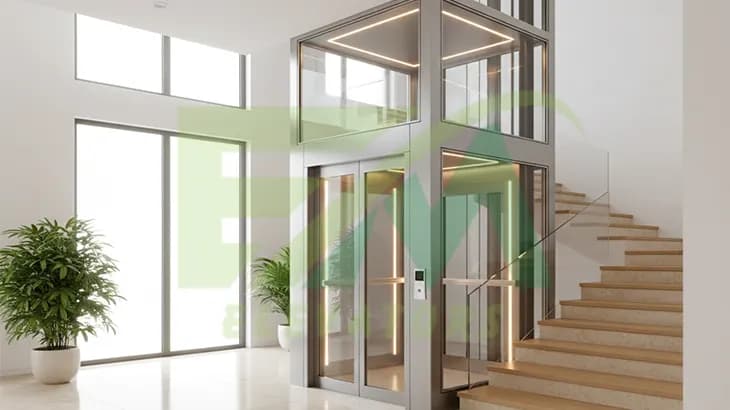
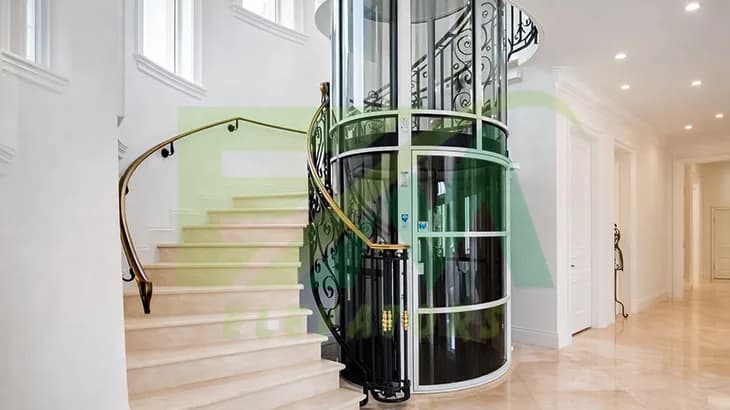
Many Dubai homeowners want the elevator to look like a premium interior feature, not a utility box. Vacuum elevators often appeal because they can deliver a modern, compact, visually light presence—especially in open-plan villas. Hydraulic home lifts can also look premium, but the amount of construction around shafts and walls can affect how “seamless” it feels.
If your villa has:
Double-height spaces or feature staircases → vacuum can become a design statement
Hidden service corridors and planned shafts → hydraulic can integrate cleanly
High-end finishes → choose the option that minimizes rework risk (retiling, re-ceilings, repainting)
6) The decision checklist (use this before choosing)
Ask these questions and you’ll avoid costly mistakes:
Is this a retrofit or new build? Retrofits usually favor minimal civil work solutions.
Where exactly will it go? Stair void, corner, living area, external enclosure?
How many stops and what usage? Daily traffic, kids, elderly users.
What is your disruption tolerance? Living in the villa during works changes everything.
What finishing level do you want? Finishing drives timeline and cost.
What is the service plan? Who maintains it, how often, and what’s covered?
Conclusion
For many UAE villas—especially retrofits—vacuum elevators can be the practical “minimal disruption” choice. Hydraulic home lifts can be excellent when the villa design already supports a shaft/pit/equipment arrangement or when a hydraulic offering best serves a specific cabin configuration. The best decision is the one that fits your villa route, your family's needs, and the local service ecosystem you can rely on.